
In recent years, digital manufacturing has emerged as a game changer for the industrial sector. The integration of technologies such as cloud computing, IoT, robotics, and AI has radically transformed the way manufacturers operate. These innovations are reshaping not only how products are made but also how businesses remain competitive in a rapidly changing landscape.
This blog explores how digital manufacturing is defining the future of production. Whether you’re looking to optimize your operations or adopt new technologies, understanding these shifts is essential for staying ahead. If you’re interested in learning more about how IT services for manufacturing can integrate with your operations, be sure to check out our Manufacturing Industry page for further insights.
What is Digital Manufacturing?
Digital manufacturing involves the integration of advanced technologies into the production process to enhance efficiency, accuracy, and flexibility. With digital tools, manufacturers can optimize product designs, improve operational workflows, and provide real-time data insights. Key components of digital manufacturing include:
 3D Printing: Enables rapid prototyping and on-demand production.
Robotics and Automation: Reduces human error and improves efficiency.
IoT Integration: Provides real-time monitoring of machines and products.
Cloud Solutions: Facilitates remote management and seamless collaboration.
3D Printing: Enables rapid prototyping and on-demand production.
Robotics and Automation: Reduces human error and improves efficiency.
IoT Integration: Provides real-time monitoring of machines and products.
Cloud Solutions: Facilitates remote management and seamless collaboration.This interconnected approach allows manufacturers to adapt to market changes swiftly, reduce costs, and improve overall product quality.
Link to Parent Page: Learn more about IT services for manufacturing and how these technologies can benefit your operations.
How Digital Manufacturing Enhances Efficiency and Quality
One of the most significant benefits of digital manufacturing is its ability to streamline production processes, which leads to both increased efficiency and enhanced product quality. Here’s how:
Automation
Real-Time Data
Customizability
Advanced SimulationThe Role of Automation in Digital Manufacturing
The cornerstone of digital manufacturing is automation. Technologies such as robotic process automation (RPA) and machine learning play a pivotal role in transforming manufacturing workflows. Automation has a direct impact on:
 Cost Reduction
Speed
Consistency
Cost Reduction
Speed
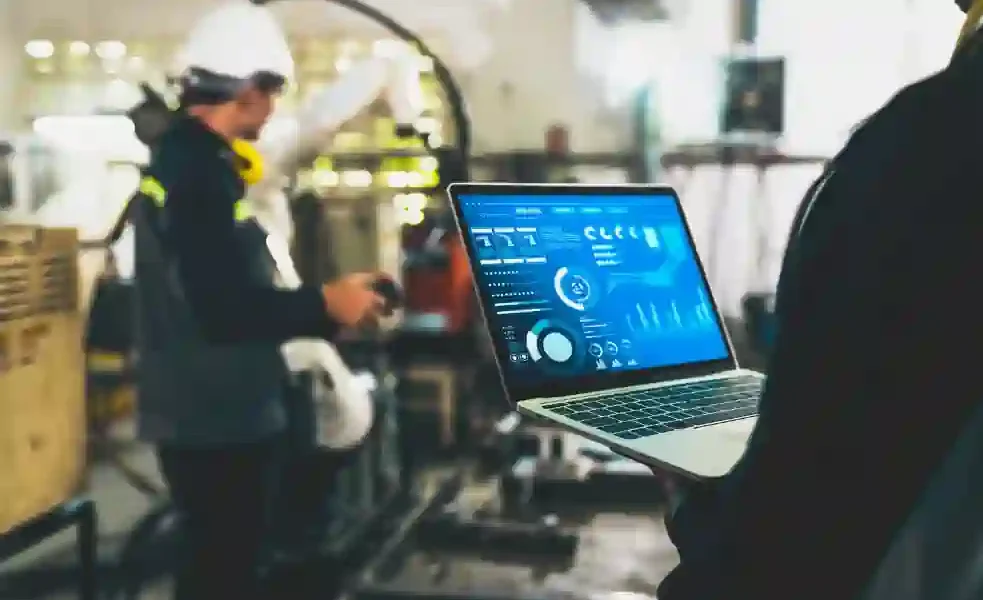
ConsistencyAn example of this is smart factories where robots work alongside human operators, performing repetitive tasks and allowing workers to focus on more complex responsibilities. These factories also use real-time data to adjust production processes automatically.
These outcomes don’t just improve the factory floor — they directly impact profitability and competitive edge.
Cloud Computing: Connecting Operations and Data
Cloud computing is another crucial component of digital manufacturing. By storing data and applications on remote servers, manufacturers can streamline their operations and ensure that they’re always connected to real-time data. Cloud solutions offer several key benefits:
Centralized Data Management
Scalability
Remote AccessibilitySustainability and Digital Manufacturing
Sustainability is no longer optional—it’s a necessity for manufacturers looking to future-proof their operations. Digital manufacturing plays a vital role in promoting sustainability through:
Energy Efficiency
Waste Reduction
Improved Supply Chain ManagementBy incorporating digital solutions, manufacturers can not only improve efficiency but also make meaningful progress toward more sustainable operations.
Transform Your Manufacturing with Digital Solutions
The future of manufacturing is undoubtedly digital. Digital manufacturing brings together automation, cloud computing, IoT, and data analytics to create smarter, more efficient operations. From reducing production costs to improving sustainability, the benefits of digital transformation are undeniable.
Are you ready to embrace digital manufacturing? Contact us today to learn how IT services for manufacturing can revolutionize your operations and give you a competitive edge.