




























Connecting devices is only the beginning of an IoT initiative. The real challenge is making that connected data work with your business.
Different devices use different protocols. Existing ERP, CRM, SCADA, or maintenance systems still need to operate alongside IoT. Teams need different views of the same data, while security and scalability requirements continue to evolve.
This is where custom IoT application development becomes valuable. Instead of adapting your operations to a generic application, you can build the software around your devices, workflows, users, and business goals.
The IoT opportunity is bigger than connectivity
IoT is becoming an important part of how businesses operate. McKinsey estimates that IoT could generate $5.5 trillion to $12.6 trillion in economic value annually by 2030, with around 65% of this potential coming from B2B applications. But connected devices alone do not create that value. The application needs to connect:
- Connect
- Collect
- Analyze
- Integrate
- Act
- Scale
Custom development helps create this connection around the way your organization actually works.
Where custom IoT development makes a difference
Built around your workflow
Generic IoT platforms are designed to support common use cases. Your business may have processes that are anything but common.
A manufacturer might need machine alerts to trigger maintenance workflows. An energy company may need meter data connected to billing and customer systems. A utility may need sensor alerts linked to GIS and field-service operations.
A custom application can be designed around these specific workflows instead of forcing teams to work around platform limitations.
Connected to the systems you already use
IoT applications rarely operate independently.
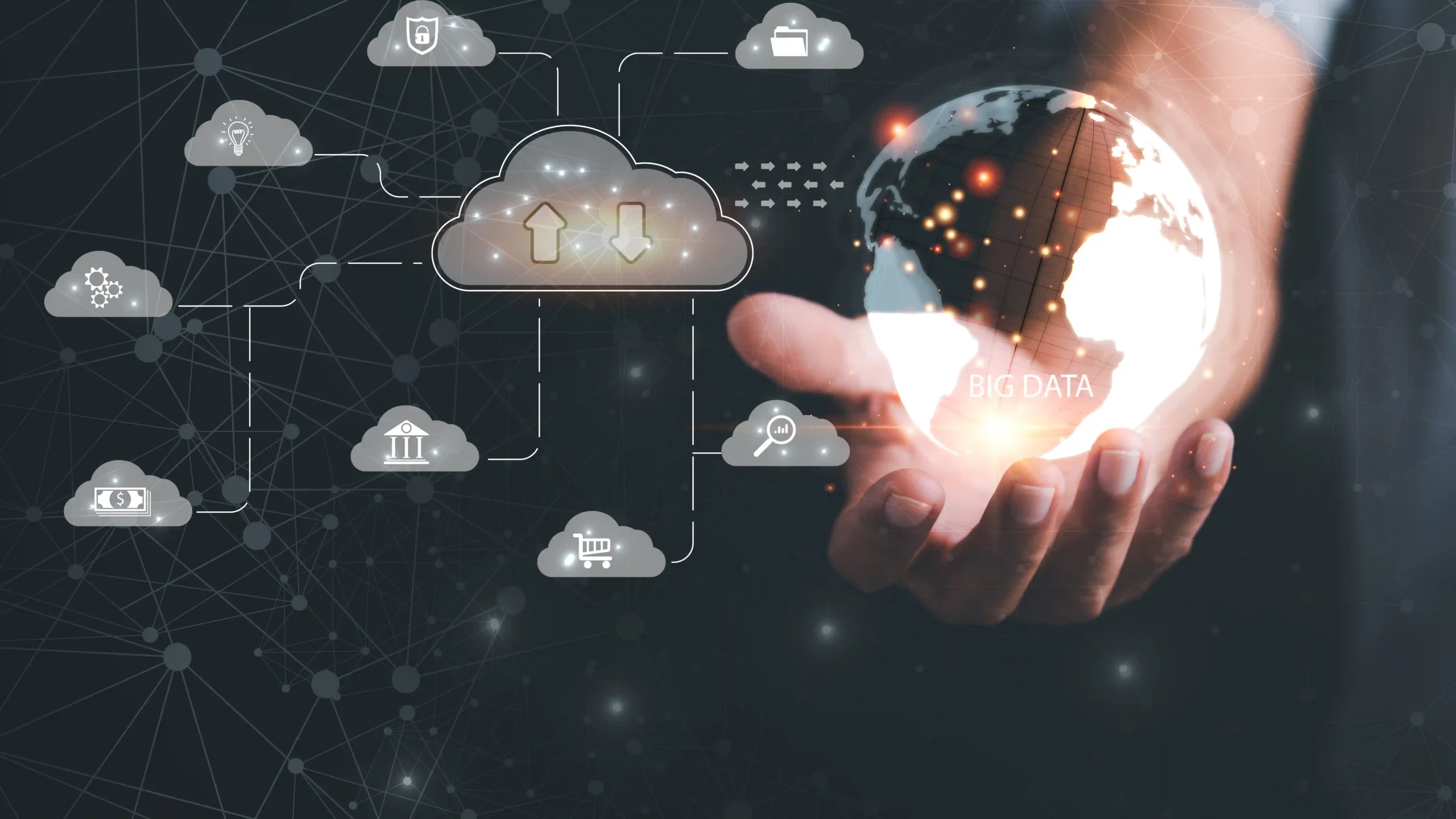
Device data may need to flow into ERP, CRM, SCADA, GIS, maintenance, or analytics platforms. Custom development gives you greater flexibility in designing these integrations.
Designed for your users
An operator, maintenance engineer, business manager, and customer do not need the same information.
Custom applications allow dashboards, alerts, permissions, and workflows to be designed for specific user groups.
Instead of showing everyone the same data, the application can surface what each person needs to make a decision.
Ready for what comes next
IoT applications often evolve after the initial deployment.
A solution that begins with monitoring may later add predictive maintenance, AI-based anomaly detection, edge processing, digital twins, or automated workflows.
A modular custom architecture makes it easier to introduce these capabilities without rebuilding the entire application.
This is especially important as IoT environments become more complex. McKinsey estimates that interoperability is required for around 40% of the potential economic value enabled by IoT.
When does custom IoT development make sense?
Custom development is worth considering when:
- Your devices or sensors have specialized requirements
- Standard platforms cannot support your workflows
- IoT data needs to connect with multiple existing systems
- Your security or compliance requirements are highly specific
- You need complete control over the application experience
- IoT is becoming an important part of your product or operations
The goal is not to customize everything. It is to customize the parts that create real business value.
Three areas where custom IoT can create impact
Manufacturing
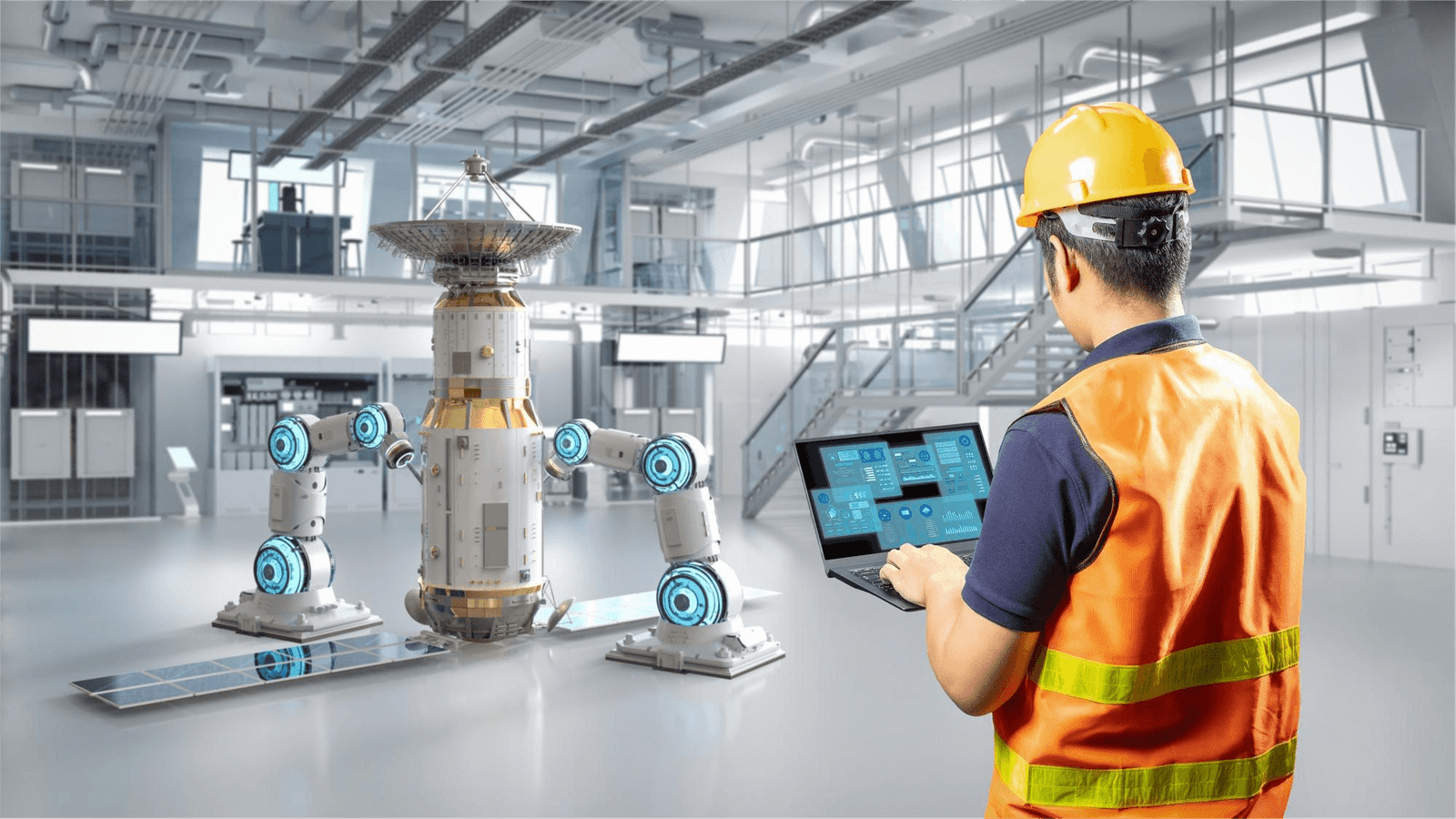
Connect machine data with production, maintenance, and analytics systems to create a more connected operational workflow.
Energy and utilities
Combine smart-meter, asset, customer, and location data to improve monitoring and response.
Connected products
Build customer-facing dashboards, remote controls, alerts, analytics, and APIs around a connected product.
A smarter way to build
Custom IoT development does not mean building every component from scratch. A practical approach is to use established technologies for connectivity, cloud infrastructure, storage, and security, while customizing the application layers that differentiate your business. Start with one high-value use case.
Define → Design → Integrate → Deploy → Scale
First, identify the business problem and required data. Then design the architecture, build a focused application, connect it to existing systems, and expand once the solution demonstrates value.
The real benefit: control
The biggest advantage of custom IoT application development is not simply having more features. It is having greater control over how your IoT environment works. You control how data moves, how users interact with it, how systems integrate, how security is implemented, and how the application evolves.
That flexibility can turn an IoT deployment from a collection of connected devices into a business-specific digital capability.
Build an IoT application around your business
The right IoT application should fit your devices, data, people, and processes. Infysion helps enterprises develop custom IoT applications that connect devices, cloud platforms, enterprise systems, analytics, and operational workflows. Build an IoT application designed around the way your business works.
Contact usFAQs
What is custom IoT application development?
It is the development of IoT software specifically designed around an organization’s devices, workflows, integrations, users, and business requirements.
Is custom IoT development better than an off-the-shelf solution?
Not always. Standard platforms can work well for common requirements. Custom development becomes more valuable when requirements, integrations, or workflows are highly specific.
Can custom IoT applications integrate with legacy systems?
Yes. Custom applications can connect with ERP, CRM, SCADA, GIS, maintenance, analytics, and other existing systems.
Can AI be added to a custom IoT application?
Yes. AI can support use cases such as anomaly detection, predictive maintenance, forecasting, and intelligent automation.