



































Cloud migration is no longer simply about moving applications from on-premises servers to the cloud.
For enterprises with years of accumulated systems, applications, data, and security requirements, migration is an opportunity to rethink how technology supports the business. Microsoft Azure provides the cloud infrastructure and services needed to migrate existing workloads, modernize applications, strengthen security, automate operations, and build a foundation for emerging technologies such as AI.
For enterprises, the goal should not be a simple lift and shift. It should be a modern cloud environment that is more scalable, resilient, secure, and easier to manage.
Why Move Beyond Lift and Shift?
A lift-and-shift migration moves an existing workload to the cloud with minimal changes. While this can be useful for specific workloads, it does not always take advantage of what cloud technology offers. Cloud modernization takes a different approach.
Lift and shift
Moves the workload as it is
Legacy applications may continue to carry the same operational limitations after migration.
- Manual processes remain manual
- Disconnected systems remain disconnected
- Infrastructure may still require significant management
Cloud modernization
Rethinks how it runs
It evaluates applications, data, infrastructure, and processes to determine where they can be:
- Optimized
- Automated
- Rearchitected
- Replaced
The result is not simply an application running in Azure. It is an environment designed to support how the business needs to operate next.
How Microsoft Azure Supports Modernization
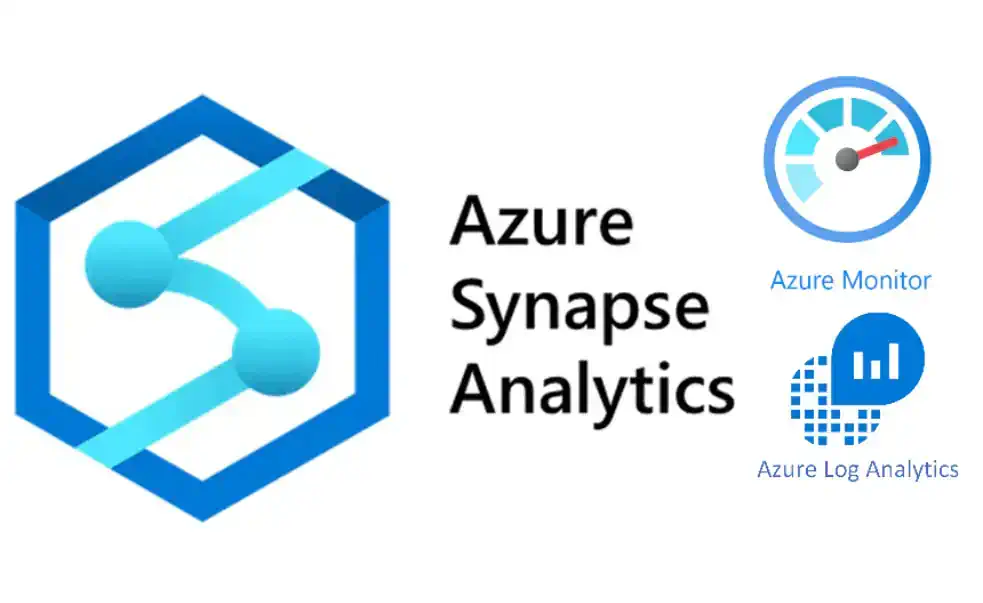
Azure provides a broad ecosystem of cloud services that enterprises can use across migration, application development, data, AI, security, and infrastructure.
Modernize Applications
Existing applications can be assessed and modernized based on their business value, technical complexity, and future requirements. Depending on the workload, modernization may involve:
- RehostMove applications with minimal changes
- RefactorImprove applications for greater scalability
- RebuildUse cloud-native architectures
- ContainerizePackage and run workloads in containers
- ReplaceRetire legacy applications where appropriate
This allows enterprises to modernize selectively rather than attempting to transform their entire technology environment at once.
Build a More Connected Data Environment
Migration also creates an opportunity to rethink how enterprise data is stored, integrated, and analyzed.
Azure data services can help organizations bring together information from applications, databases, operational systems, and other sources. A more connected data foundation can support:
Brings together
- Applications
- Databases
- Operational systems
- Other sources
Supports
- Better business visibility
- Faster reporting and analytics
- Data-driven decision-making
- AI and machine learning initiatives
- More consistent access to business information
For enterprises moving toward AI-enabled operations, modernizing the underlying data environment is an important part of the journey.
Automate Repetitive Operations
Cloud modernization can also reduce operational effort through automation.
Organizations can automate areas such as
Time on repetitive administrative tasks
Time improving applications and business capabilities
Automation can also improve consistency by reducing the dependency on manual processes.
Strengthen Security and Governance
Security needs to be considered throughout the migration and modernization process, rather than added after workloads have moved to the cloud. Azure provides capabilities across identity, access management, security monitoring, data protection, and governance that can be incorporated into enterprise cloud architectures.
A strong modernization strategy should establish security and governance alongside:
SECURITY AND GOVERNANCE, BUILT IN FROM THE START
Control
- Identity and access controls
- Network architecture
Protect
- Data protection
- Compliance requirements
Govern
- Monitoring and threat detection
- Policies for cloud resource management
This approach helps enterprises create a cloud environment that is designed for secure growth.
From Migration to Modernization
A successful Azure transformation does not have to happen all at once. Enterprises can prioritize workloads based on business importance, technical complexity, risk, and modernization potential.
A practical roadmap can follow five stages:
-
1
Discover
Assess applications, infrastructure, data, dependencies, costs, and business requirements.
-
2
Prioritize
Identify which workloads should be migrated, modernized, retained, replaced, or retired.
-
3
Design
Define the target Azure architecture, including networking, identity, security, data, and application requirements.
-
4
Migrate and Modernize
Move workloads while applying the appropriate modernization approach, from rehosting to refactoring or rebuilding.
-
5
Optimize
Monitor performance, security, resource usage, and costs, then continuously improve the environment.
This approach allows organizations to create a transformation roadmap without disrupting critical business operations.
Why Azure Modernization Is More Than Infrastructure
The real value of cloud modernization comes from what businesses can do after migration. A modern Azure environment can provide the foundation for:
- Step 1Cloud infrastructure
- Step 2Connected applications
- Step 3Unified data
- Step 4Automation
- Step 5AI-driven intelligence
This creates opportunities to improve how applications are developed, how data is used, how processes are automated, and how teams respond to changing business requirements. For enterprises, modernization is therefore not simply an IT project. It can become part of a broader strategy for improving agility, resilience, and innovation.
Build a Future-Ready Azure Environment
The right Azure strategy depends on the organization’s existing technology landscape, business priorities, and modernization goals. Infysion helps enterprises assess their current environment, develop Azure migration and modernization roadmaps, modernize applications and data platforms, and build secure cloud architectures designed for long-term growth.
Talk to our Azure expertsFAQs
What is Azure cloud migration?
Azure cloud migration is the process of moving applications, data, infrastructure, and workloads from existing environments to Microsoft Azure.
What is the difference between migration and modernization?
Migration focuses on moving workloads to the cloud, while modernization goes further by improving applications, architecture, data, automation, and operations to take advantage of cloud capabilities.
Is lift and shift still useful?
Yes. Rehosting can be appropriate for certain workloads where speed, risk reduction, or short-term migration objectives are priorities. However, other applications may benefit more from refactoring, rebuilding, or replacing.
How does Azure support enterprise security?
Azure provides capabilities for identity, access management, network security, data protection, monitoring, governance, and threat detection that can be incorporated into enterprise cloud architectures.
How should an enterprise start its Azure transformation?
Start with an assessment of applications, infrastructure, data, dependencies, costs, and business priorities. From there, workloads can be categorized and a phased migration and modernization roadmap can be created.