
































Manufacturing has always depended on machines, people, and processes. What is changing is how manufacturers understand and manage those operations.
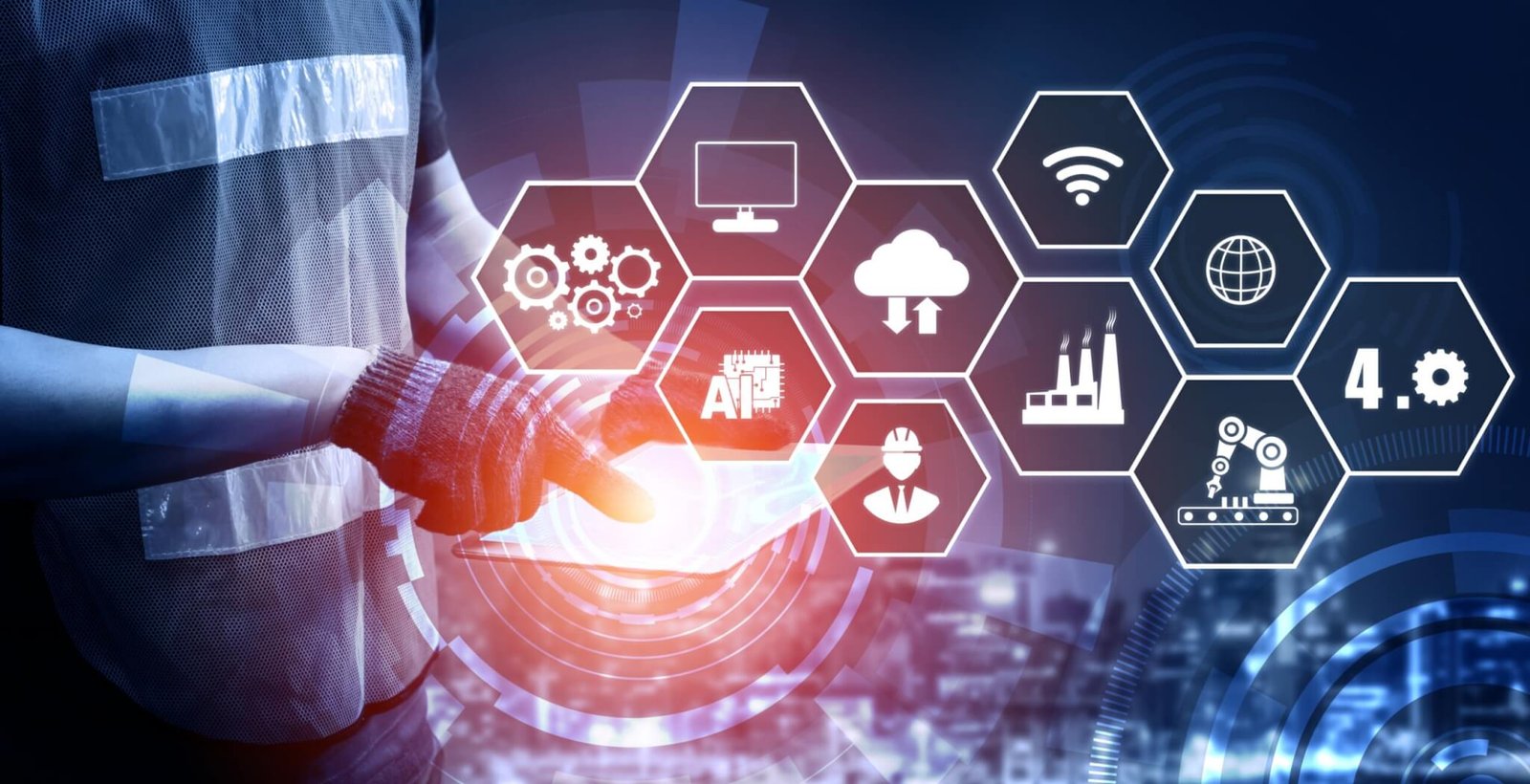
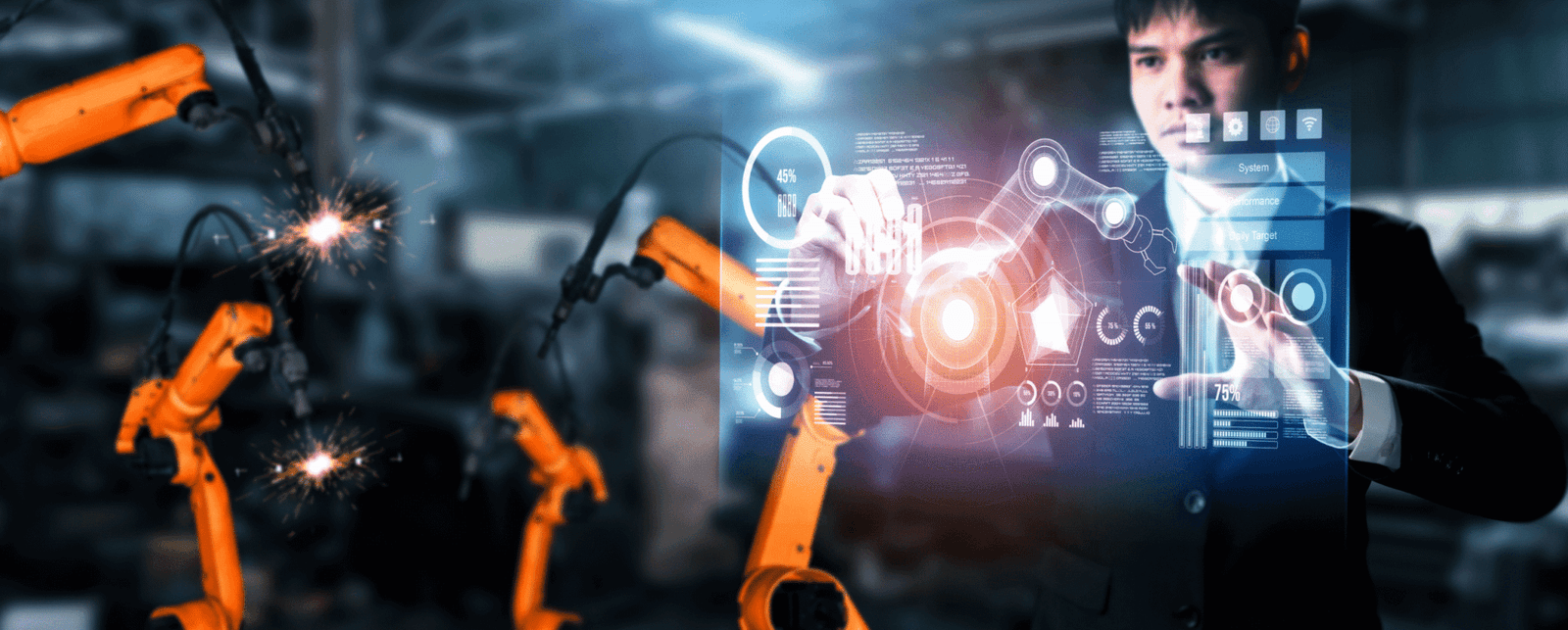
Instead of relying primarily on manual reporting, periodic inspections, or historical information, manufacturers can now use connected equipment and real-time data to understand what is happening across the factory and respond faster. IoT, cloud computing, and data analytics are helping create this shift. Together, they connect physical operations with the digital systems that turn factory data into actionable insights.
IoT: Creating Visibility Across the Factory
A manufacturing environment generates data continuously. Machines produce information about temperature, vibration, speed, energy consumption, production cycles, and other operating conditions.
IoT connects these machines, sensors, and equipment so that this information can be collected and used more effectively. This creates a shift from asking “What happened?” to understanding “What is happening now, and what could happen next?”
From Machine Data to Operational Insight
Real-time equipment data can help manufacturers:
-
◎Identify unusual machine conditions
Spot readings that depart from normal operation as they happen.
-
≋Monitor production performance
Keep a live view of how lines and equipment are performing.
-
◈Detect potential equipment problems
Catch early signs of trouble before they escalate.
-
⇄Identify bottlenecks
See where production flow is slowing down.
-
↗Understand changes in operating conditions
Track how conditions shift over time.
Vibration or temperature data from a machine can help maintenance teams identify a potential issue before it develops into an unexpected failure. IoT therefore becomes more valuable when the data it generates is connected to actual operational decisions.
Cloud Computing: Connecting Manufacturing Data
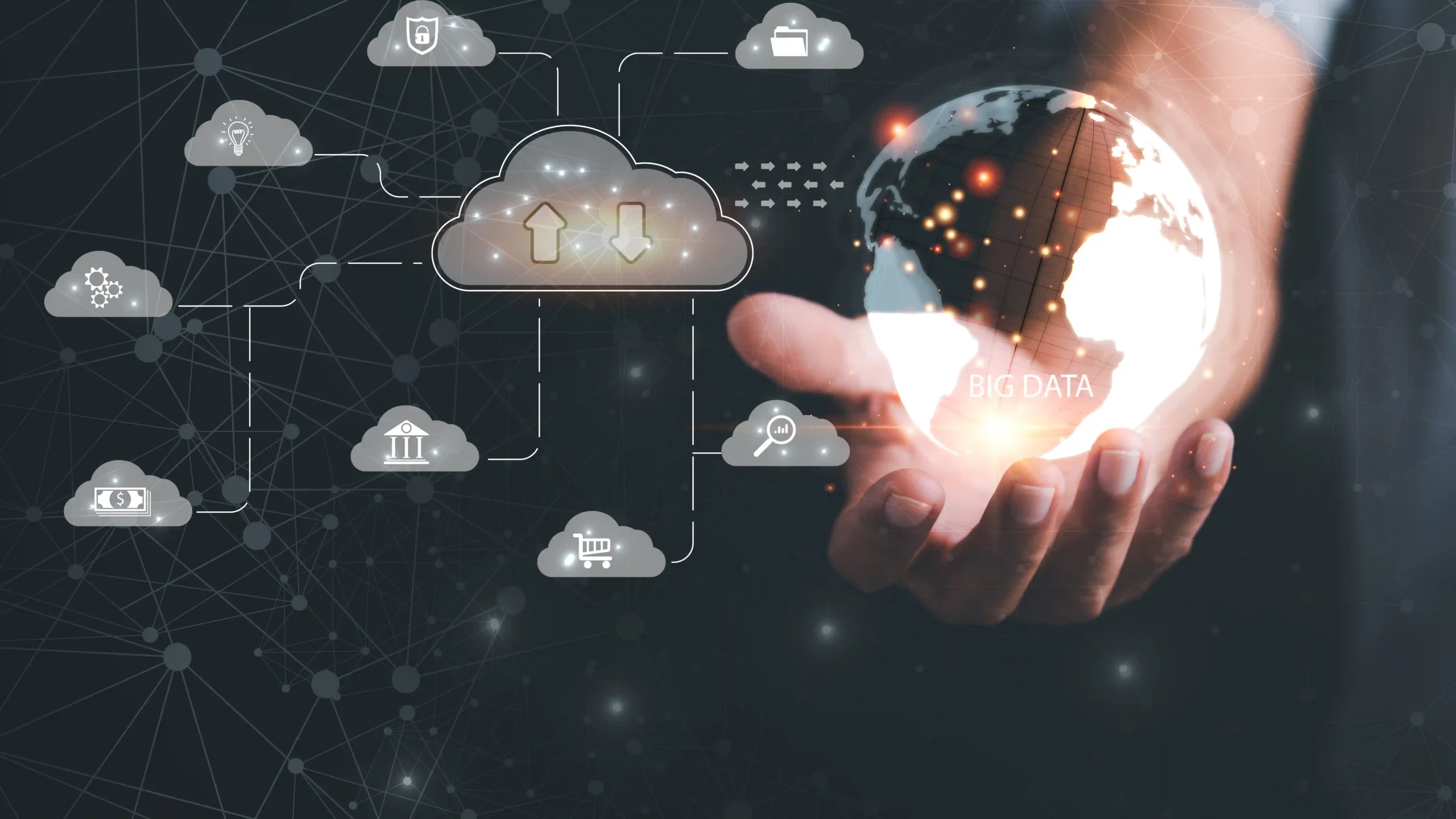
Connected equipment can generate large volumes of information. A cloud environment can provide the infrastructure needed to store, process, and access that information across teams and locations. Instead of keeping manufacturing information within isolated systems, cloud platforms can help bring data together and make it available to the people and applications that need it. This can support:
Cloud infrastructure also provides flexibility as operations grow. Manufacturers can expand their computing and storage requirements without having to build an entirely new physical infrastructure for every increase in demand.
Data Analytics: Turning Data Into Decisions
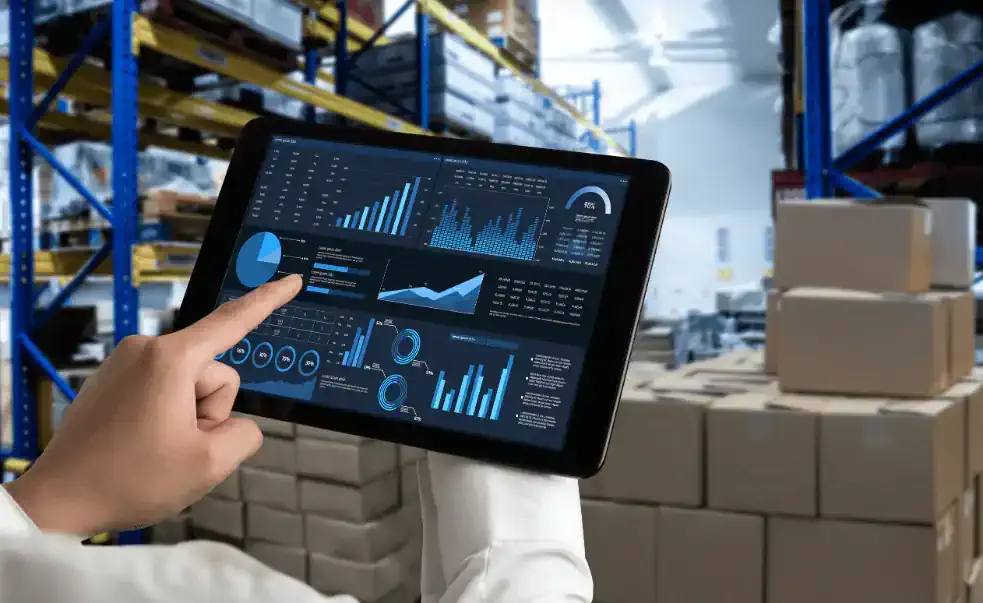
Collecting data is only the beginning. Its real value comes from understanding what that data means. Data analytics can help manufacturers identify patterns, compare performance, uncover inefficiencies, and support more informed decisions.
Moving From Reactive to Predictive Operations
Historical and real-time data can be analyzed to identify conditions that may indicate future problems. For example, manufacturers can use analytics to:
Understand what is happening
- Identify equipment conditions associated with failures.
- Understand production bottlenecks.
- Analyze changes in machine performance.
Anticipate what is next
- Forecast demand and production requirements.
- Identify opportunities to improve workflows.
- Monitor quality and process performance.
This allows teams to move beyond simply reacting to problems and toward anticipating them.
Where Data Can Improve Manufacturing Efficiency
The combination of connected equipment, cloud platforms, and analytics can influence several parts of manufacturing operations.
Equipment data can support more proactive maintenance decisions.
Real-time performance information can help teams identify bottlenecks and improve process visibility.
Production and process data can help identify patterns associated with defects or quality issues.
Historical and current data can support better production and resource planning.
Shared access to operational information can help teams work from a more consistent view of factory performance.
The objective is not to collect the most data possible. It is to collect the right data and connect it to the decisions that matter.
People Still Drive the Transformation
Technology alone does not create a data-driven manufacturing environment. Operators, maintenance teams, engineers, managers, and business leaders need to understand and act on the information generated by connected systems.
This makes usability and adoption just as important as the underlying technology. Dashboards should highlight meaningful information. Alerts should lead to clear actions. Analytics should help teams answer operational questions rather than simply provide more reports. The strongest results come when technology supports people instead of creating another layer of complexity.
Building a More Intelligent Manufacturing Environment
A data-driven manufacturing strategy does not require every machine to be connected at once. Manufacturers can start with a specific operational challenge, such as equipment downtime, production visibility, quality monitoring, or energy consumption.
From there, the journey can progress through:
From Data to Manufacturing Intelligence
The future of manufacturing is not simply about collecting more information. It is about creating a connected environment where data can continuously support better decisions.
When IoT, cloud computing, and analytics work together, manufacturers can gain greater visibility into their operations, respond to issues earlier, and build processes that can adapt as the business changes. Data becomes valuable when it moves beyond dashboards and becomes part of how the factory operates.
Build smarter manufacturing operations with Infysion
Infysion helps manufacturers connect IoT, cloud platforms, data analytics, and operational systems to build more connected and intelligent manufacturing environments. Explore IoT Engineering Services, Industrial IoT Consulting Services, and Data Analytics Services to build a data-driven manufacturing strategy around your operational goals.
Explore MoreFAQs
How does IoT improve manufacturing efficiency?
IoT provides connected equipment and real-time operational data that can help manufacturers monitor machines, identify issues, understand bottlenecks, and improve decision-making.
Why is cloud computing important for smart manufacturing?
Cloud platforms can provide scalable infrastructure for storing, processing, integrating, and accessing manufacturing data across teams and locations.
How does data analytics support manufacturing?
Analytics can help manufacturers identify patterns, monitor performance, detect potential issues, improve planning, and support predictive decision-making.
Does a manufacturer need to connect every machine?
No. A practical approach is to start with a specific operational problem and connect the equipment and data most relevant to that problem before expanding.
What is data-driven manufacturing?
Data-driven manufacturing uses connected equipment, operational data, analytics, and digital systems to support more informed and timely manufacturing decisions.