


































Manufacturing operations generate enormous amounts of information every day.
Machines produce performance data, production lines generate process data, and teams collect information about quality, maintenance, inventory, and output. he challenge is not simply collecting this information. It is turning it into decisions that improve how the business operates. This is where IoT, cloud computing, and data analytics come together.
IoT: Making Manufacturing Data Visible
IoT connects machines, sensors, equipment, and other assets so they can continuously generate and share operational information. Instead of relying only on manual inspections or periodic reports, manufacturers can monitor conditions such as temperature, vibration, pressure, machine performance, and production cycles.
This creates a more detailed view of what is happening across the factory.
From Monitoring to Predictive Maintenance
One of the clearest applications is equipment maintenance. A machine may continue operating while showing early signs of a developing problem. Connected sensors can capture changes in operating conditions and send that information to an analytics system.
Maintenance teams can then investigate unusual patterns and schedule action before a minor issue becomes a larger disruption. The value of IoT is therefore not simply knowing that a machine is running. It is understanding how it is running and when its condition requires attention.
Cloud: Connecting Data Across the Business
IoT can generate data from multiple machines, production lines, and locations. Cloud platforms provide an environment where this information can be stored, processed, integrated, and accessed. For manufacturers operating across multiple facilities, this can create a more consistent view of operations.
Teams can use cloud-based systems to:
- Access operational information across locations
- Bring data from different sources together
- Support remote monitoring
- Scale storage and processing as data grows
- Make information available to different business teams
This also creates a foundation for connecting manufacturing data with other enterprise systems and applications.
Analytics: Turning Data Into Better Decisions
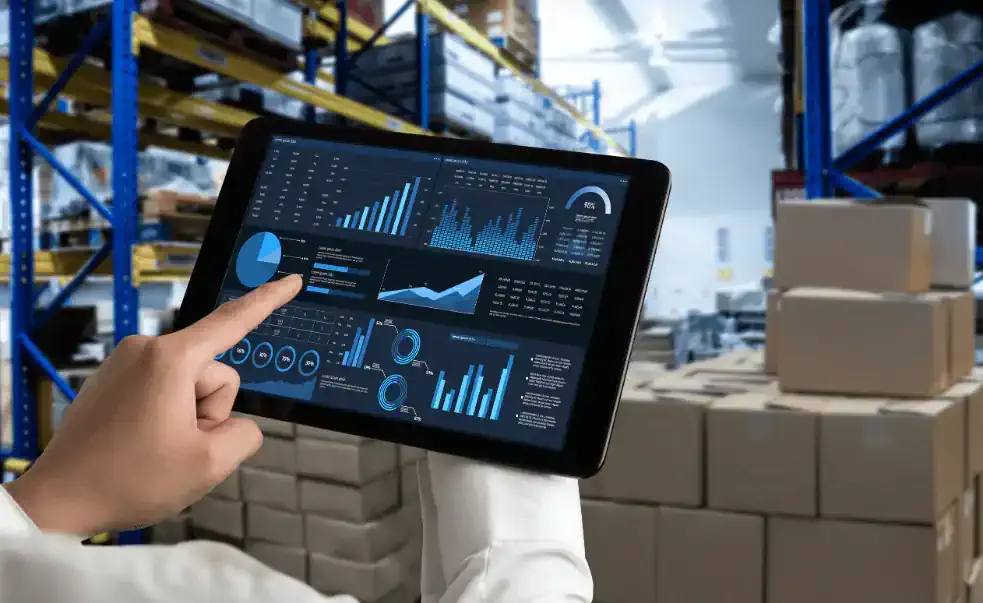
Data becomes valuable when it answers a business question. Analytics can help manufacturers understand production performance, identify patterns, investigate quality issues, and anticipate potential problems.
Where Analytics Can Create Impact
Maintenance
Analyze equipment conditions to support more proactive maintenance decisions.
Production
Identify bottlenecks, performance variations, and opportunities to improve workflows.
Quality
Analyze production and process information to identify patterns associated with defects.
Planning
Use historical and current data to support production, inventory, and resource planning.
The objective is not to create more dashboards. It is to help teams make better decisions with the information already being generated by the operation.
The Real Shift: From Reactive to Proactive Operations
The biggest change happens when IoT data and analytics become part of everyday operational decision-making. A traditional approach might look like:
A traditional approach might look like:
- Problem
- Investigation
- Response
A connected, data-driven approach can move toward:
- Data
- Detection
- Insight
- Action
This can change how manufacturers approach maintenance, production, quality, and planning. Instead of waiting for a machine to fail, teams can investigate early warning signals. Instead of discovering a production bottleneck after a shift ends, they can monitor performance while the process is running.
Data Alone Is Not Enough
Technology does not automatically create a data-driven manufacturing business. Manufacturers also need to consider how information reaches the people responsible for acting on it.
Effective solutions should provide:
Raw data in
Relevant information rather than unnecessary data
Filter the noise so people see only what matters.
Clear alerts and actionable insights
Signals that say what happened and what to do next.
Integration with existing systems
Fits the tools and workflows teams already use.
Dashboards designed around real operational needs
Built for the shop floor and for management.
Processes that allow teams to respond to insights
Clear ownership so insight turns into action.
This is where technology and operational knowledge need to work together.
How to Start Building a Data-Driven Manufacturing Operation
Manufacturers do not need to connect every machine on day one. A practical approach is to begin with one meaningful business problem. For example:
- 1
Identify the operational challenge
Choose an area such as downtime, quality, production visibility, or energy consumption.
- 2
Identify the relevant data
Determine which machines, sensors, systems, or processes provide useful information.
- 3
Connect the data
Introduce the required IoT and integration capabilities.
- 4
Analyze the information
Establish the analytics needed to identify patterns and conditions.
- 5
Turn insights into action
Connect the information to maintenance, production, quality, or management workflows.
- 6
Expand what works
Once the approach delivers value, extend it to additional assets or processes.
From Connected Data to Business Value
The real opportunity is not simply to make a factory more connected. It is to make the business more responsive.
provides visibility.
provides the infrastructure to manage and share information.
provides the intelligence needed to understand it.
Together, they can help manufacturers move from reacting to problems toward anticipating them, while creating a stronger foundation for automation, AI, and continuous improvement.
Build a More Data-Driven Manufacturing Business
Infysion helps manufacturers connect IoT, cloud platforms, data analytics, and operational systems to turn manufacturing data into actionable business intelligence.
Explore IoT Engineering Services, Industrial IoT Consulting Services, and Data Analytics Services to build connected solutions around your manufacturing goals.
FAQ
How does IoT help manufacturers use data?
Why is cloud important for manufacturing data?
How can analytics improve manufacturing?
Does data-driven manufacturing require AI?
Where should a manufacturer start?