




































Manufacturing operations generate enormous amounts of information every day.
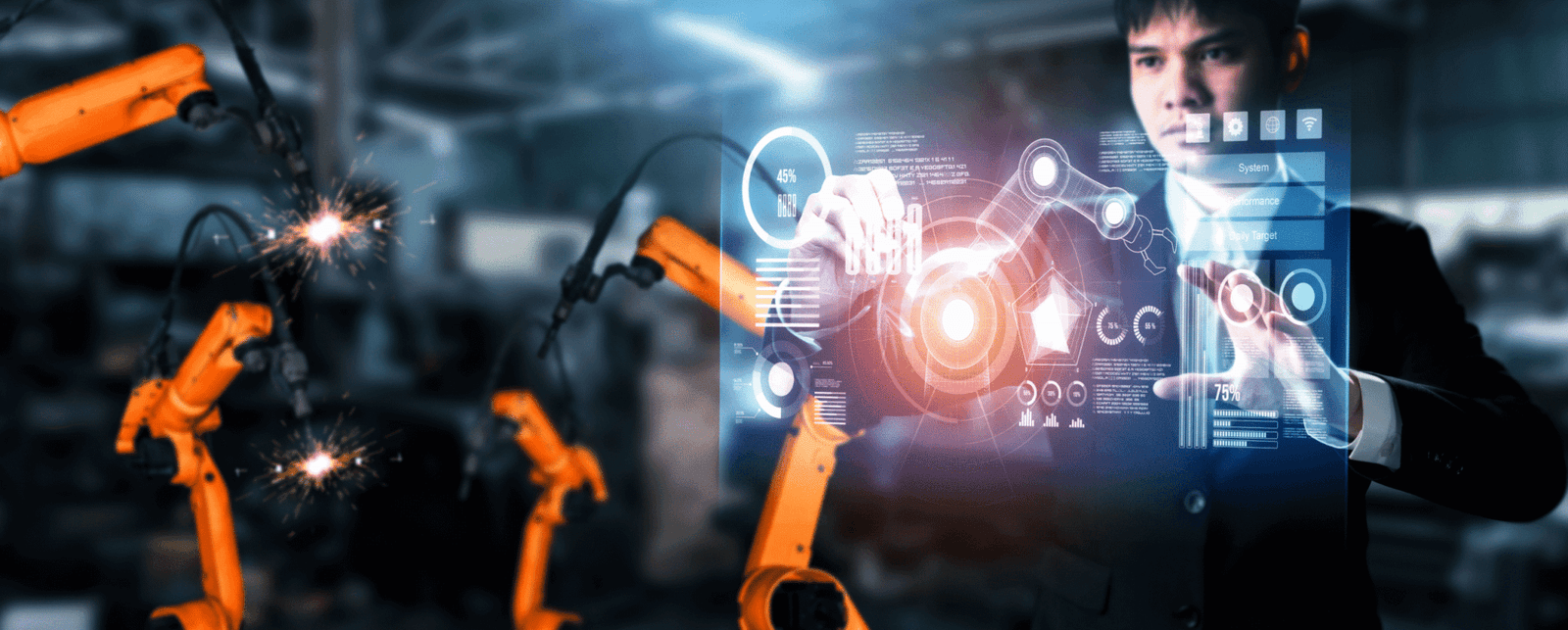
Machines produce performance data, quality teams record inspection results, maintenance teams track equipment conditions, and supply chains generate constant movement and inventory data. The challenge is turning all of that information into something teams can act on. IoT in manufacturing connects machines, sensors, equipment, people, and business systems to create greater visibility across the factory. Instead of relying only on manual checks or delayed reports, manufacturers can use connected data to monitor operations, identify issues earlier, and make faster decisions.
The result is not simply a more connected factory. It is an operation that can respond more intelligently to what is happening on the shop floor.
Why IoT Matters in Manufacturing
Manufacturers are dealing with rising operational costs, tighter delivery expectations, complex supply chains, and increasing pressure for consistent quality. At the same time, many factories still operate with a combination of legacy machines, spreadsheets, manual inspections, and disconnected systems. IoT can help bridge this gap by connecting operational assets with the data and applications teams already use.
For example, sensors attached to production equipment can capture temperature, vibration, pressure, speed, or other relevant conditions.
That information can then be processed and presented through dashboards, alerts, analytics platforms, or connected workflows. The important shift is from knowing what happened to having better visibility into what is happening and what may need attention next.
5 Ways IoT Can Improve Manufacturing Operations
Monitor Machines and Processes in Real Time
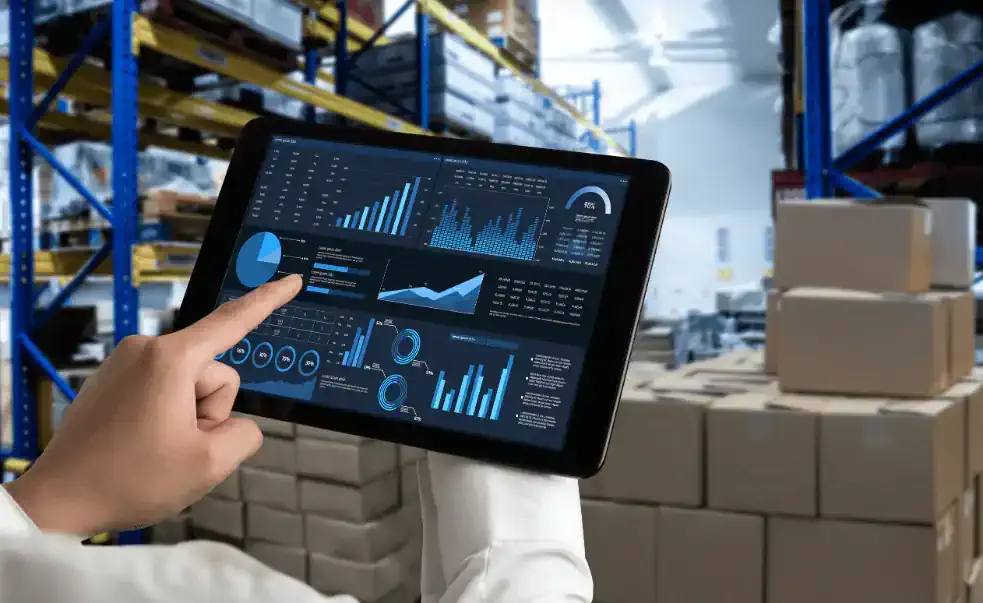
Manufacturers cannot respond quickly to problems they cannot see. IoT-enabled equipment can continuously capture operational information and make it available through centralized dashboards. Supervisors can monitor production conditions, identify unusual readings, and investigate issues without relying entirely on manual reporting.
Equipment status and readings
ConnectedOutput and process conditions
ConnectedPlant-wide operational view
ConnectedThis can improve visibility across machines, production lines, and facilities while giving teams a clearer picture of current operations.
Move From Reactive to Condition-Based Maintenance
Unexpected equipment failures can interrupt production and create costly maintenance events. IoT sensors can monitor equipment conditions such as vibration, temperature, pressure, or operating cycles. When this information is analyzed over time, teams can identify abnormal patterns and determine when an asset may require attention.
A typical flow is:
- Machine
- Sensors
- Connected Data
- Analytics
- Anomaly Detection
- Maintenance Action
This supports a shift from maintenance based only on fixed schedules toward decisions informed by actual equipment conditions.
Improve Quality Visibility
Quality issues can become expensive when they are discovered only after production has progressed. Connected sensors and production systems can capture process information at different stages of manufacturing. When readings move outside defined parameters, teams can receive alerts and investigate the cause earlier.
IoT can therefore support more consistent monitoring of production conditions while creating a digital record of relevant operational and quality information.
Connect Inventory and Supply Chain Operations
Manufacturing efficiency depends on more than what happens on the production line. Connected technologies such as sensors, RFID, and tracking systems can provide greater visibility into raw materials, work-in-progress, inventory, and finished goods.
- Raw materials
- Work-in-progress
- Inventory
- Finished goods
When this information is connected with production and business systems, teams can make better-informed decisions around material availability, movement, and scheduling. The objective is not simply to track inventory. It is to connect inventory information with the wider manufacturing process.
Improve Safety and Operational Responsiveness
Connected sensors can also support safer manufacturing environments by monitoring conditions such as temperature, air quality, equipment status, or other relevant environmental factors.
- Temperature
- Air quality
- Equipment status
- Other environmental factors
When an abnormal condition is detected, alerts can be routed to the appropriate teams for investigation. IoT can also reduce the amount of manual monitoring required for routine operational tasks, allowing employees to spend more time on activities that require experience and decision-making.
From Connected Machines to Connected Operations
The greatest value of IoT emerges when individual devices are not treated as isolated projects.
Consider a manufacturing environment where:
This creates a connected operational layer that can bring together production, maintenance, quality, inventory, and other functions. It also creates a foundation for technologies such as advanced analytics, AI, digital twins, and automation.
What Makes Manufacturing IoT Successful?
Connecting equipment is only the starting point. Manufacturers need to make sure the technology addresses a genuine operational requirement.
-
◎Start With a Business Problem
Begin with a measurable challenge such as equipment downtime, limited production visibility, quality variation, or manual reporting.
-
≋Connect the Right Data
More data does not automatically create more value. Focus on the machine and process signals that can support a specific operational decision.
-
⇄Integrate With Existing Systems
IoT should work alongside relevant ERP, MES, quality, maintenance, and other business systems rather than creating another isolated data environment.
-
◈Design for Security
Connected manufacturing environments require appropriate controls for devices, networks, applications, identities, and data.
-
↗Build for Scale
A successful pilot should be capable of expanding to additional machines, production lines, or facilities without requiring the entire architecture to be rebuilt.
Challenges to Plan For
Manufacturers also need to address several practical challenges when adopting IoT.
Older machines may not have native connectivity, making gateways, adapters, or retrofit sensors necessary.
Connected equipment can generate large volumes of information. Data collection should therefore be tied to defined use cases and decisions.
Different machines and systems may use different protocols and data structures.
More connected assets increase the importance of device authentication, access controls, network protection, and monitoring.
New dashboards and workflows only create value when employees understand how to use them in their daily work.
A Practical Approach to Manufacturing IoT
Manufacturers do not need to connect an entire factory on day one.
A more practical approach is to:
Start focused
- Identify a high-value operational problem.
- Assess the machines, systems, and data involved.
- Pilot the solution in a focused environment.
Then expand
- Measure the operational outcome.
- Integrate the solution with relevant business systems.
- Scale the architecture across additional operations.
This approach allows manufacturers to demonstrate value while reducing the risk associated with large-scale transformation.
From IoT Adoption to Smarter Manufacturing
IoT in manufacturing is moving the factory from disconnected data and reactive processes toward greater visibility and more informed operational decisions. The real opportunity is not simply to put sensors on machines. It is to connect machines, data, systems, and people in a way that improves how the business operates.
When implemented around clear business objectives, IoT can become a foundation for smarter maintenance, better quality visibility, connected supply chains, safer operations, and future technologies such as AI and advanced analytics.
Build Smarter Manufacturing Operations With Infysion
Infysion helps manufacturers connect operational technology with IoT, cloud, analytics, and digital applications.
From connected equipment and IoT application development to industrial data and analytics, the focus is on building solutions around real manufacturing requirements and creating a foundation that can scale with the operation.
FAQs
What is IoT in manufacturing?
IoT in manufacturing uses connected sensors, machines, devices, and software to collect and exchange operational data, helping manufacturers improve visibility, monitoring, and decision-making.
What are the main applications of IoT in manufacturing?
Common applications include real-time equipment monitoring, condition-based maintenance, quality monitoring, inventory tracking, supply chain visibility, and connected safety systems.
Can IoT work with legacy manufacturing equipment?
Yes. Depending on the equipment, manufacturers can use sensors, gateways, adapters, and integration technologies to connect existing assets without replacing them entirely.
How does IoT support predictive maintenance?
IoT sensors collect equipment condition data such as vibration or temperature. Analytics can then identify abnormal patterns that may indicate a potential equipment issue.
Should manufacturers start with a complete IoT transformation?
Not necessarily. Starting with a focused use case allows manufacturers to validate the technology and business value before expanding it across the factory.