





























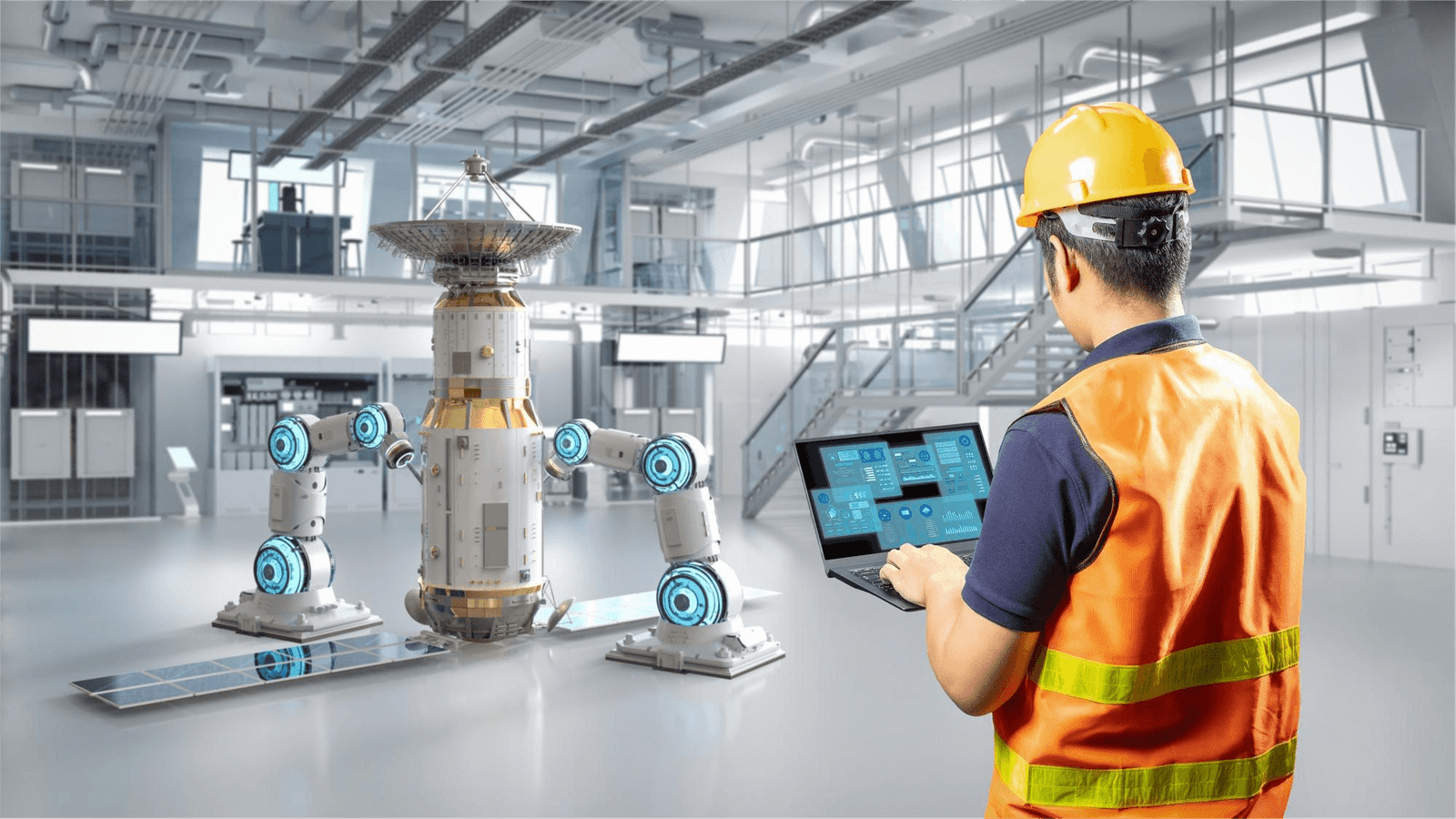



Oil and gas operations depend on equipment, infrastructure, and processes that must perform reliably in demanding environments.
At the same time, operators need better visibility into assets, safety conditions, maintenance requirements, and environmental performance. The Internet of Things (IoT) is helping address these challenges by connecting equipment and sensors to digital platforms that collect, analyze, and share operational data. Instead of relying only on periodic inspections or manual reporting, organizations can use connected data to monitor operations and respond to issues more proactively.
What Is IoT in the Oil and Gas Industry?
IoT in oil and gas connects sensors, equipment, communication systems, and software platforms to collect and exchange operational data. Sensors can monitor:
- Equipment conditions
- Environmental factors
- Asset movement
- Other operational parameters
That data can then be processed through IoT platforms and analytics systems to support monitoring, maintenance, safety, and decision-making. The value comes from connecting physical operations with the digital systems used to manage them.
Key Applications of IoT in Oil and Gas
1. Predictive Maintenance
Equipment failure can disrupt production and create significant operational risks. IoT sensors can continuously monitor equipment conditions and identify unusual patterns such as:
- Abnormal vibration
- Temperature changes
- Pressure anomalies
Before
Reactive maintenanceResponding after equipment issues have already developed.
With IoT
Condition-based maintenanceEquipment data helps teams spot potential problems earlier and prioritize inspections.
2. Remote Monitoring and Control
Oil and gas facilities often operate across remote or difficult-to-access locations. IoT enables operators to monitor assets without relying entirely on physical inspections.
WHAT TEAMS CAN MONITOR REMOTELY
Drilling operations
- Operational conditions
- Equipment status
Pipelines
- Conditions along the asset
- Abnormal events
Storage facilities
- Real-time status
- Fewer unnecessary site visits
Real-time operational information can help teams respond faster to abnormal conditions while reducing unnecessary site visits.
3. Asset Tracking
Equipment, vehicles, and other mobile assets can be connected using technologies such as GPS and RFID. Tracking this information can help organizations:
- Improve asset visibility
- Support logistics
- Reduce the risk of loss
- Monitor assets within defined areas through geofencing
- Understand how equipment is being used across operations
4. Environmental Monitoring
Environmental conditions are an important part of oil and gas operations. Connected sensors can monitor factors such as gas leaks, air quality, and emissions.
Continuous monitoring can help teams identify potentially hazardous conditions earlier.
DetectConnected sensors keep a steady view of the environmental conditions around operations.
MonitorMonitoring data can support environmental and regulatory reporting requirements.
Report5. Data-Driven Operations
IoT generates large volumes of operational data. When this information is combined with analytics and machine learning, organizations can identify patterns across equipment, processes, and resources.
What Benefits Can IoT Deliver?
The impact of IoT goes beyond simply connecting equipment.
Teams can access more timely information about assets and processes.
Equipment data can help identify potential issues before they develop into larger failures.
Connected sensors can continuously monitor equipment and environmental conditions.
Real-time data can reduce manual monitoring and support faster operational decisions.
Connected monitoring can provide better visibility into emissions and other environmental conditions.
What Challenges Should Oil and Gas Companies Consider?
IoT implementation also requires careful planning.
-
Security
Connected devices and operational systems need appropriate authentication, access controls, and data protection.
-
Legacy integration
Many oil and gas environments contain established equipment and systems that were not originally designed for connected architectures.
-
Scalability
The solution should be able to support additional assets, locations, devices, and data as adoption grows.
-
Operational requirements
IoT systems need to work reliably in environments where connectivity, equipment conditions, and access can be challenging.
Successful implementation therefore requires more than selecting sensors. Organizations need to consider the complete architecture, from devices and connectivity to data platforms, analytics, applications, and operational workflows.
Where IoT Is Heading in Oil and Gas
IoT is increasingly becoming a foundation for more intelligent operations. AI and machine learning can help turn connected data into predictions and recommendations, while edge computing can bring selected processing capabilities closer to equipment and assets.
-
1
Monitor operations
Connected equipment and sensors give teams a continuous view of assets and conditions.
-
2
Detect conditions
Analytics help recognize unusual readings as they happen, with selected processing closer to the equipment through edge computing.
-
3
Predict potential issues
AI and machine learning turn connected data into predictions and recommendations.
-
4
Enable informed responses
Teams act on insights instead of waiting for the next inspection or report.
OutcomeAn operating environment where data continuously supports better decisions, not just more connected assets.
This combination can support a shift from simply monitoring operations toward detecting conditions, predicting potential issues, and enabling more informed responses.
From Connected Assets to Smarter Operations
IoT is transforming oil and gas by connecting physical infrastructure with the digital systems used to monitor and manage it. When implemented around meaningful operational challenges, it can improve visibility, support proactive maintenance, strengthen safety monitoring, and provide a stronger foundation for analytics and AI.
The goal is not connectivity for its own sake. It is using connected data to make oil and gas operations more visible, responsive, and intelligent.
Build connected oil and gas operations with Infysion
Infysion helps organizations connect IoT devices, operational systems, cloud platforms, and analytics to build smarter and more scalable industrial environments. Explore Industrial IoT Consulting Services, IoT Engineering Services, and Data Analytics Services to develop connected solutions aligned with your operational goals.
Explore Industrial IoT Consulting ServicesFAQs
How is IoT used in the oil and gas industry?
IoT can be used for predictive maintenance, remote monitoring, asset tracking, environmental monitoring, and data-driven operational decision-making.
How does IoT improve oil and gas maintenance?
Connected sensors provide equipment data that can help identify unusual conditions and potential failures earlier, supporting more proactive maintenance.
Can IoT support remote oil and gas operations?
Yes. Connected systems can provide remote visibility into equipment and infrastructure, which can be particularly useful for assets located in remote or difficult-to-access environments.
What are the main challenges of implementing IoT in oil and gas?
Key considerations include cybersecurity, legacy system integration, scalability, connectivity, and the operational requirements of industrial environments.
How can AI work with IoT in oil and gas?
AI and machine learning can analyze IoT-generated data to identify patterns, support predictions, and help teams make more informed operational and maintenance decisions.